
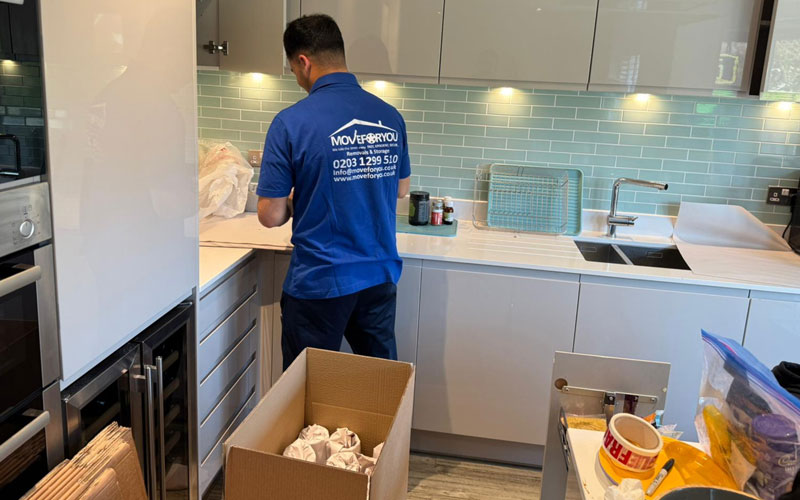
The final weeks of your commercial lease bring a process that many businesses find surprisingly complex. A commercial property handover involves more than simply returning the keys and moving your belongings out. Lease agreements typically include specific obligations about the condition in which you must leave the property, and failing to meet these requirements can result in significant unexpected costs. Understanding what’s expected during the handover process helps you plan appropriately, avoid disputes with landlords, and prevent budget overruns at the end of your tenancy. Whether you’re moving to better premises or simply relocating, getting the handover right protects your business financially and professionally. The good news is that with proper preparation and realistic timelines, most businesses can navigate the handover process smoothly. Starting early makes all the difference.
Understanding Your Lease Obligations
Your commercial lease sets out exactly what condition the property must be in when you hand it back. These obligations typically fall into several categories, each with different implications for time and cost.
Dilapidations and Making Good
Most commercial leases include a dilapidations clause requiring you to repair damage beyond normal wear and tear. This covers structural issues, decorative condition, and any alterations you made during your tenancy. “Making good” means returning the property to its original condition or the condition specified in your lease. If you installed partitions to create meeting rooms, removed original fittings, or made other alterations, you’ll typically need to reverse these changes unless your landlord agrees otherwise. The distinction between fair wear and tear versus tenant responsibility often causes disputes. Fair wear and tear includes gradual deterioration from normal use, such as worn carpet in high traffic areas or faded paint. Damage from accidents, poor maintenance, or inappropriate use falls to you. Your lease should define these terms, but interpretation can be subjective. Reviewing your lease obligations early, ideally when planning your office move, allows time to address any unclear terms with your landlord before they become contentious.
Reinstatement Requirements
Some leases include full reinstatement clauses requiring you to remove all alterations and restore the property to its original condition, even if those changes improved the space. Others allow you to leave certain improvements in place, particularly if they add value or could benefit the next tenant.
Negotiating with your landlord about what must be removed and what can remain often saves considerable expense. Many landlords prefer to keep useful improvements rather than having bare space to market, but these conversations need to happen well before your lease expires.
Creating Your Handover Timeline
A successful commercial property handover requires careful project management across multiple workstreams. Starting 6 to 12 months before your lease ends gives you room to address complications without panic.
12 to 6 Months Before Lease End
Review your lease thoroughly to understand all obligations. Commission a professional survey identifying required repairs and reinstatement works. This provides a clear scope and budget for what needs doing.
Begin discussions with your landlord about their expectations. Some landlords commission their own survey and send you a schedule of dilapidations listing required works. Getting this early, or commissioning your own survey pre-emptively, prevents last minute surprises.
Start planning your new office layout and logistics. Our guide on choosing the perfect office layout before moving in helps you think through your requirements systematically.
6 to 3 Months Before Lease End
Obtain quotes for necessary works. Dilapidations repairs, redecoration, and reinstatement typically require specialist contractors. Factor adequate time for works to be completed and inspected before your lease ends.
Finalise negotiations with your landlord about the scope of works. Document any agreements in writing. Verbal understandings about what you can leave or what condition is acceptable create problems later if memories differ.
Coordinate your move logistics. Preparing an office move timeline that actually works ensures your relocation doesn’t conflict with handover obligations.
3 Months to Lease End
Commission and complete all required works. Don’t leave this to the final weeks. Contractors need time, and you need buffer for issues that arise.
Arrange professional cleaning once works are complete. Commercial properties typically require deep cleaning beyond standard office maintenance.
Schedule the final inspection with your landlord or their agent. Conducting this inspection whilst you still have time to address minor issues prevents disputes after you’ve vacated.
When handling utilities and services during your office move, coordinate disconnection to occur after your handover inspection, not before. Landlords often require services to remain operational during their inspection.
The Inspection and Sign Off Process
The final property inspection determines whether you’ve met your lease obligations. Understanding what inspectors look for helps you prepare appropriately.
What Gets Inspected
Inspections typically cover:
Structural condition: Walls, floors, ceilings, windows, doors, and building fabric for damage beyond fair wear and tear
Decorative state: Paint condition, wall coverings, floor finishes assessed against lease requirements for redecoration
Services: Heating, lighting, plumbing, and electrical systems functioning properly
Reinstatement: Any alterations properly reversed if required by your lease
Cleanliness: Property left in a clean, presentable state
Removal of belongings: All your furniture, equipment, and materials completely removed unless specifically agreed otherwise
Inspectors document everything photographically. Having your own photographic record of the property’s condition at handover protects you if disputes arise later about what state you left it in.
Addressing Identified Issues
If the inspection reveals problems, you typically have three options. First, you can complete the outstanding works yourself before the lease ends, though this requires time you may not have. Second, you can negotiate a cash settlement with your landlord where you pay them to complete the works. Third, you can dispute the landlord’s assessment if you believe their requirements exceed your lease obligations.
Most disputes settle through negotiation rather than litigation, but having clear documentation of your lease terms, the property’s condition at the start of your tenancy, and your handover condition strengthens your position.
Common Handover Challenges and How to Avoid Them
Certain issues appear repeatedly in commercial property handovers. Recognising these patterns helps you avoid them.
Underestimating Timescales
The single most common mistake is leaving handover preparations too late. Works that seem straightforward on paper take longer than expected. Contractors have scheduling constraints. Materials require ordering. Building access may be restricted.
Building buffer time into every stage of your handover plan accounts for inevitable delays. If you think something will take two weeks, schedule three.
Unclear Documentation
Disputes often arise because lease obligations weren’t clearly documented or because the property’s condition at the start of tenancy wasn’t properly recorded. Without baseline documentation, determining what damage occurred during your tenancy becomes subjective.
Taking comprehensive photographs when you first occupy a property and keeping copies of your lease with all schedules and annexes prevents many arguments later.
Scope Creep
Some landlords use the dilapidations process to improve the property beyond its original condition at your expense. Requirements to upgrade lighting, repaint in different colours than originally provided, or carry out improvements not specified in your lease exceed your obligations.
Professional advice from a building surveyor or commercial property lawyer helps you distinguish between legitimate lease requirements and unreasonable demands.
Neglecting the Old Office During the Move
When minimising business downtime during relocation, the focus naturally shifts to your new premises. However, neglecting your handover obligations creates problems. Ensure adequate resources and attention remain allocated to properly vacating your old space.
Managing Costs and Budget Considerations
Dilapidations and reinstatement works can cost substantially more than many businesses anticipate. Understanding typical expenses helps you budget appropriately.
Professional surveys cost between £500 and £2,000 depending on property size and complexity. Dilapidations works vary enormously based on property condition and lease requirements, but commonly range from £5,000 to £50,000 or more for larger premises.
Redecoration costs depend on property size and specification. Full professional redecoration for a typical office might cost £15 to £30 per square metre.
Reinstatement works removing partitions, restoring floor finishes, and reversing other alterations add significantly to costs if required.
Our article on cost saving tips for when you move offices includes strategies for managing overall relocation budgets that apply equally to handover costs.
Getting multiple quotes for works and negotiating with your landlord about what truly needs doing versus what can remain often reduces expenses considerably.
Professional Support for Property Handovers
Many businesses benefit from professional guidance navigating commercial property handovers, particularly for first time relocations or complex properties.
Building surveyors provide independent assessments of required works and can negotiate with landlords on your behalf. Commercial property lawyers advise on lease interpretation and whether landlord demands are reasonable.
Project managers coordinate multiple contractors and ensure works complete on schedule. For businesses moving offices in stages, professional coordination becomes particularly valuable.
Professional office removal services can time your relocation to align perfectly with handover requirements, ensuring the property is fully cleared when needed whilst maintaining business continuity.
At Move For You Removals Ltd, we’ve supported businesses through countless office relocations since 1979. As members of the British Association of Removers, we understand how moving logistics intersect with property handover obligations and can help coordinate your relocation to meet all requirements smoothly.
Whether you’re moving locally or relocating internationally to France, Spain, or elsewhere in Europe, understanding handover obligations in both locations ensures you fulfil all responsibilities.
For comprehensive guidance on managing your entire relocation, visit our resources on creating an office move checklist and what your first week should look like in your new premises.
Commercial property handovers need not be stressful. With early planning, clear understanding of your obligations, and appropriate professional support where needed, you can close out your lease professionally whilst focusing energy on establishing your business successfully in its new location.